Digital Signage vs
Traditional Signage:
What's the Difference?
Introduction
Traditional printed signage still has its place, but it is increasingly outpaced by digital displays. If you are deciding where to invest, it helps to compare the two honestly across cost, flexibility, and impact.
The Core Difference
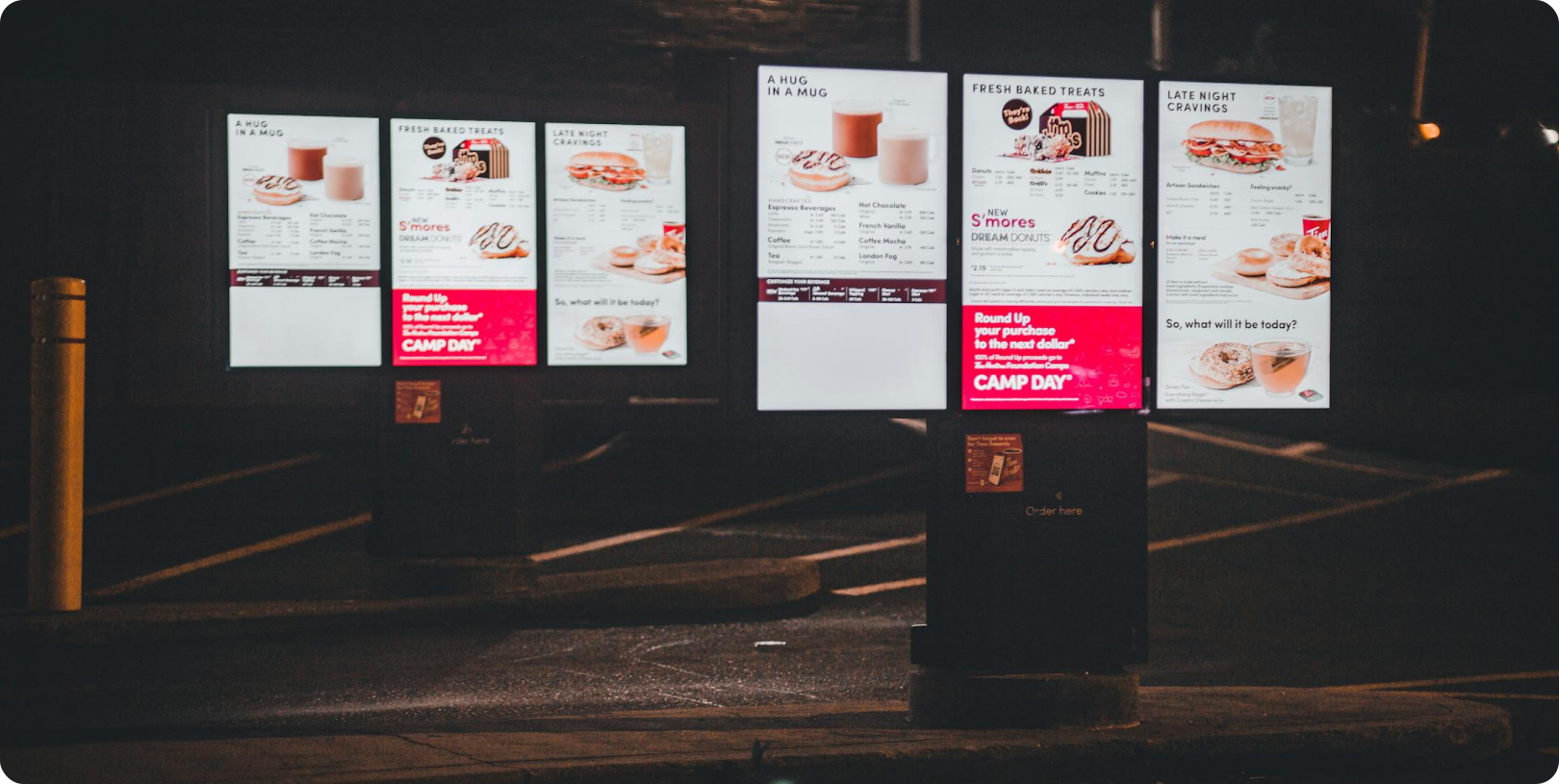
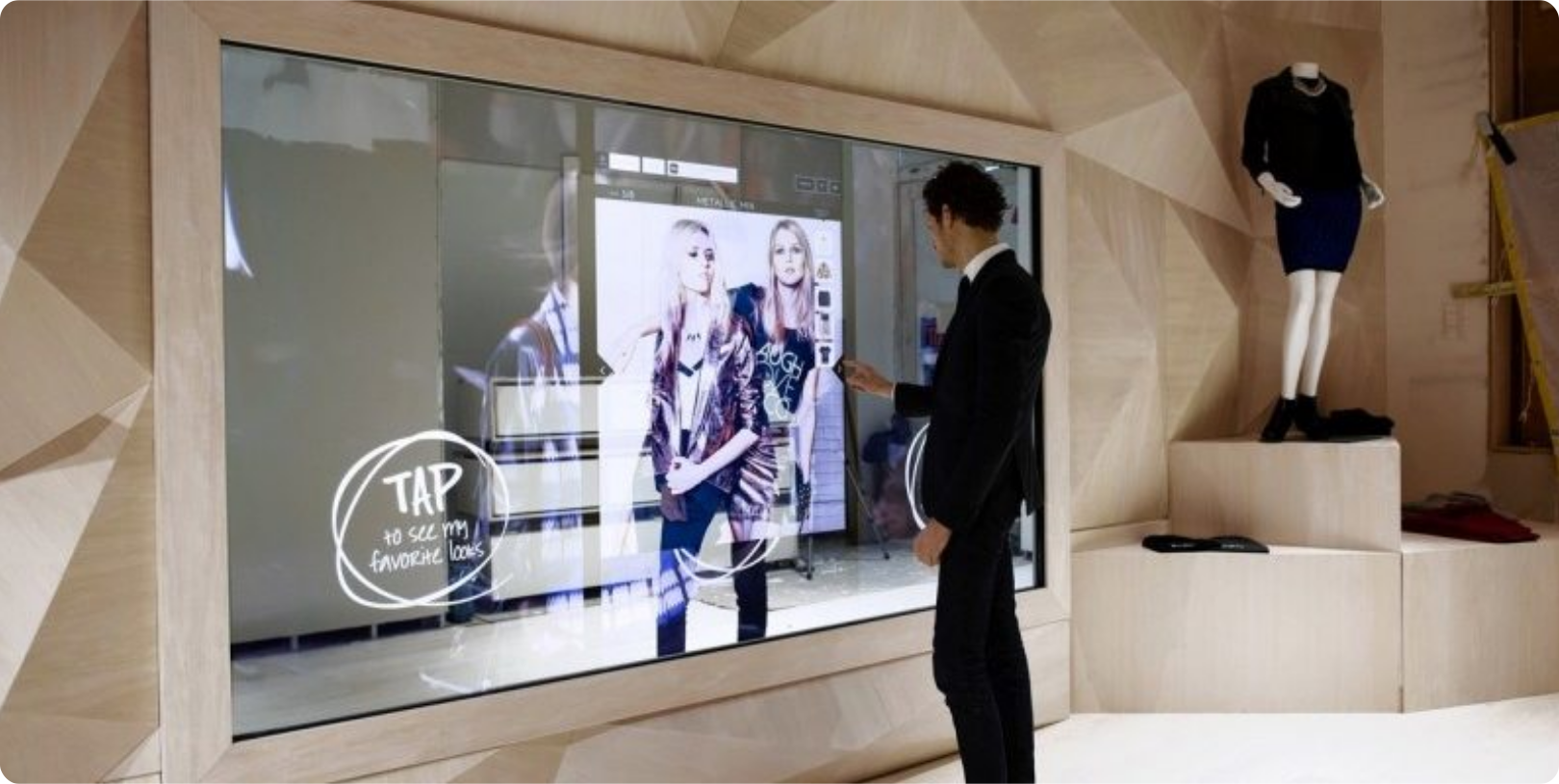
Traditional signage is fixed: once a poster or board is printed, changing it means designing, reprinting, and physically replacing it. Digital signage is dynamic: the same screen can show different content through the day, update instantly, and be managed remotely across many locations.
How They Compare
- 1
Flexibility
Print is static and single-purpose; digital screens rotate unlimited content and update in seconds.
- 2
Cost over time
Print has lower upfront cost but recurring reprint and replacement costs; digital costs more initially but is cheaper to run long term.
- 3
Engagement
Motion, video, and timely messaging make digital far more attention-grabbing than a fixed image.
- 4
Management
Updating print is manual and location-by-location; digital is centralised and remote.
- 5
Sustainability
Digital cuts paper, ink, and waste from constant reprinting.
When Print Still Makes Sense
Print can be the right choice for permanent, unchanging information or very low-budget, one-off needs. For anything that changes — prices, promotions, schedules, or seasonal campaigns — digital quickly proves more economical and effective.
The Takeaway
For most growing businesses, digital signage offers better flexibility, stronger engagement, and a lower cost of ownership over time. FutureIK can help you choose the right mix and run it all through one simple platform.