Introduction
Walk into a modern store, airport, or hospital and you will notice screens doing the talking — showing offers, directions, wait times, and live updates. That is digital signage: a smarter, more flexible way for organisations to communicate with the people in front of them. This guide explains what digital signage is, how it works, and where it delivers the most value.
What Is Digital Signage?
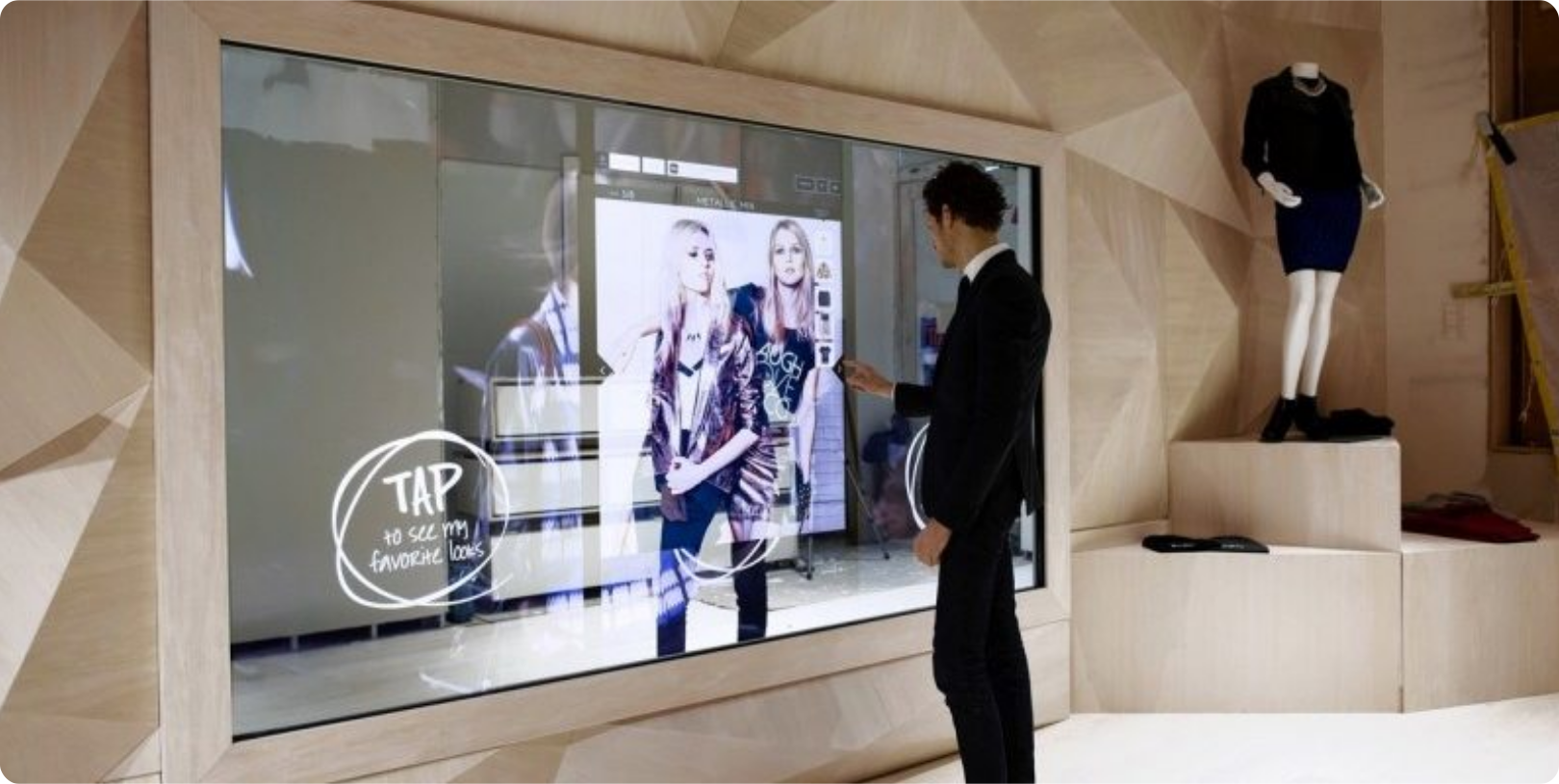
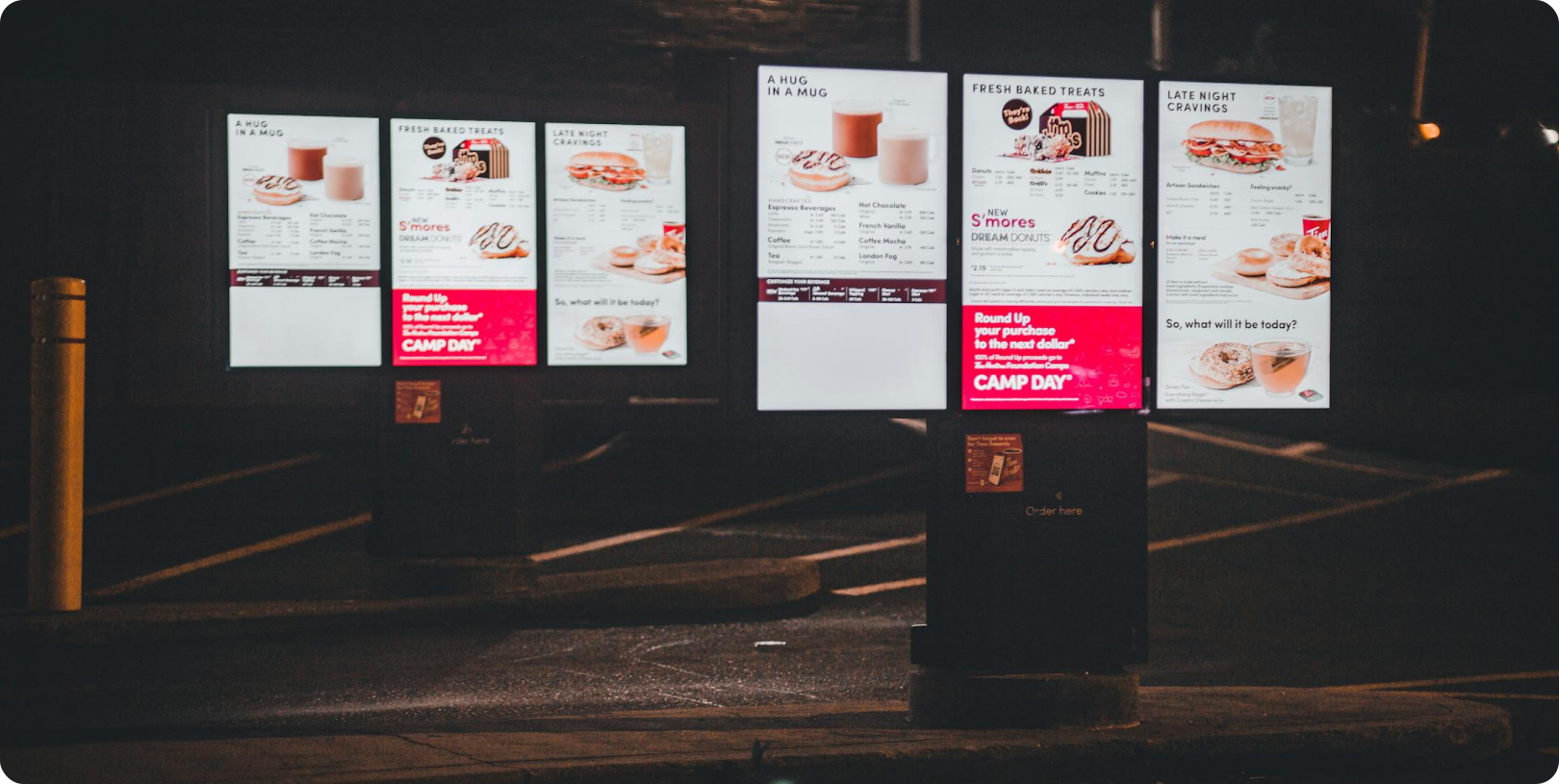
Digital signage is a network of electronic displays — LED video walls, LCD screens, touch kiosks, or projection — used to show dynamic content such as video, images, menus, announcements, and real-time data. Unlike a printed poster, the content can be changed in seconds and scheduled to the right screen at the right time, whether you run one display or thousands across multiple locations.
How Does It Work?
- 1
Display hardware
The screens people see — commercial LED walls, LCD panels, kiosks, or tablets — built to run reliably for long hours.
- 2
Media player
A small, fanless computer behind each screen that fetches content and plays it smoothly, even offline.
- 3
Content management software (CMS)
The control centre. A platform like FutureIK's Asta CMS lets you upload, schedule, and publish content to any screen from one dashboard, and monitor device health remotely.
- 4
Connectivity
An internet connection (LAN, Wi-Fi, or 4G) keeps content current, syncs schedules, and enables remote management and live updates.
Where It Is Used
- Retail — promotions, product showcases, and queue-busting displays that lift in-store sales.
- Hospitality — wayfinding, digital menus, and guest information from lobby to room.
- Healthcare — token and queue displays, health awareness, and calmer waiting areas.
- Corporate & education — announcements, dashboards, schedules, and emergency alerts.
The Takeaway
Digital signage is far more than a screen on a wall — it is a real-time communication system that helps you engage audiences, strengthen your brand, and react instantly to what is happening. With FutureIK building the hardware and the Asta software in-house, you get one accountable partner for the whole stack, from the first screen to a network of thousands.