The Evolution of Digital Signage:
From
Static Boards to Smart Displays
Introduction
Digital signage has come a long way — from simple message boards to intelligent, connected displays that respond to their audience. Understanding that journey makes it clear where the technology is heading and why it matters now.
From Static Boards to Smart Displays
- 1
Printed and manual boards
Early signage was fixed print or manually changed letter boards — cheap, but slow and limited.
- 2
First digital screens
Standalone monitors played looping content from a USB stick, with no central control.
- 3
Networked signage
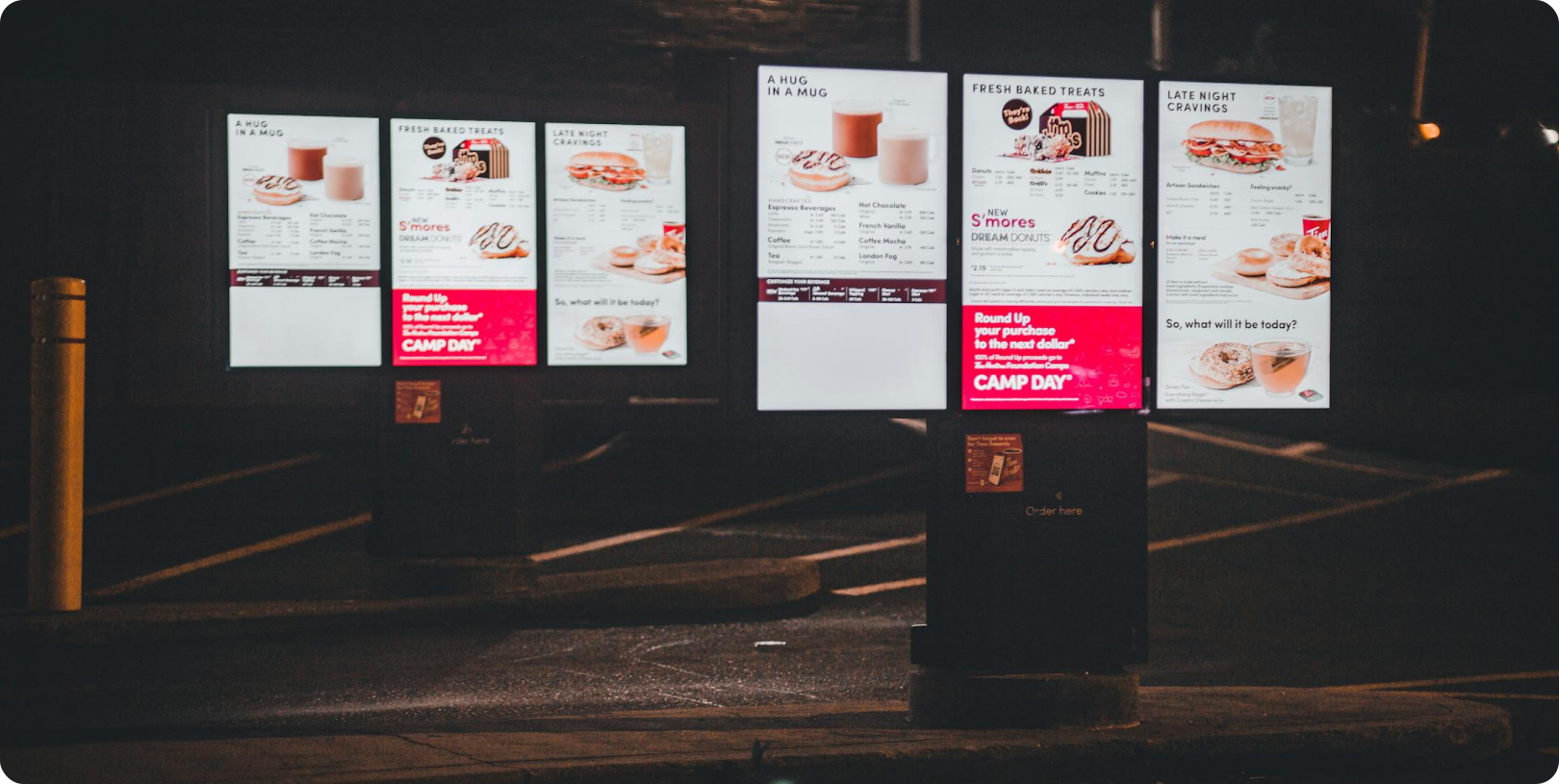
Cloud CMS platforms arrived, letting teams manage many screens remotely and schedule content.
- 4
Smart, data-driven displays
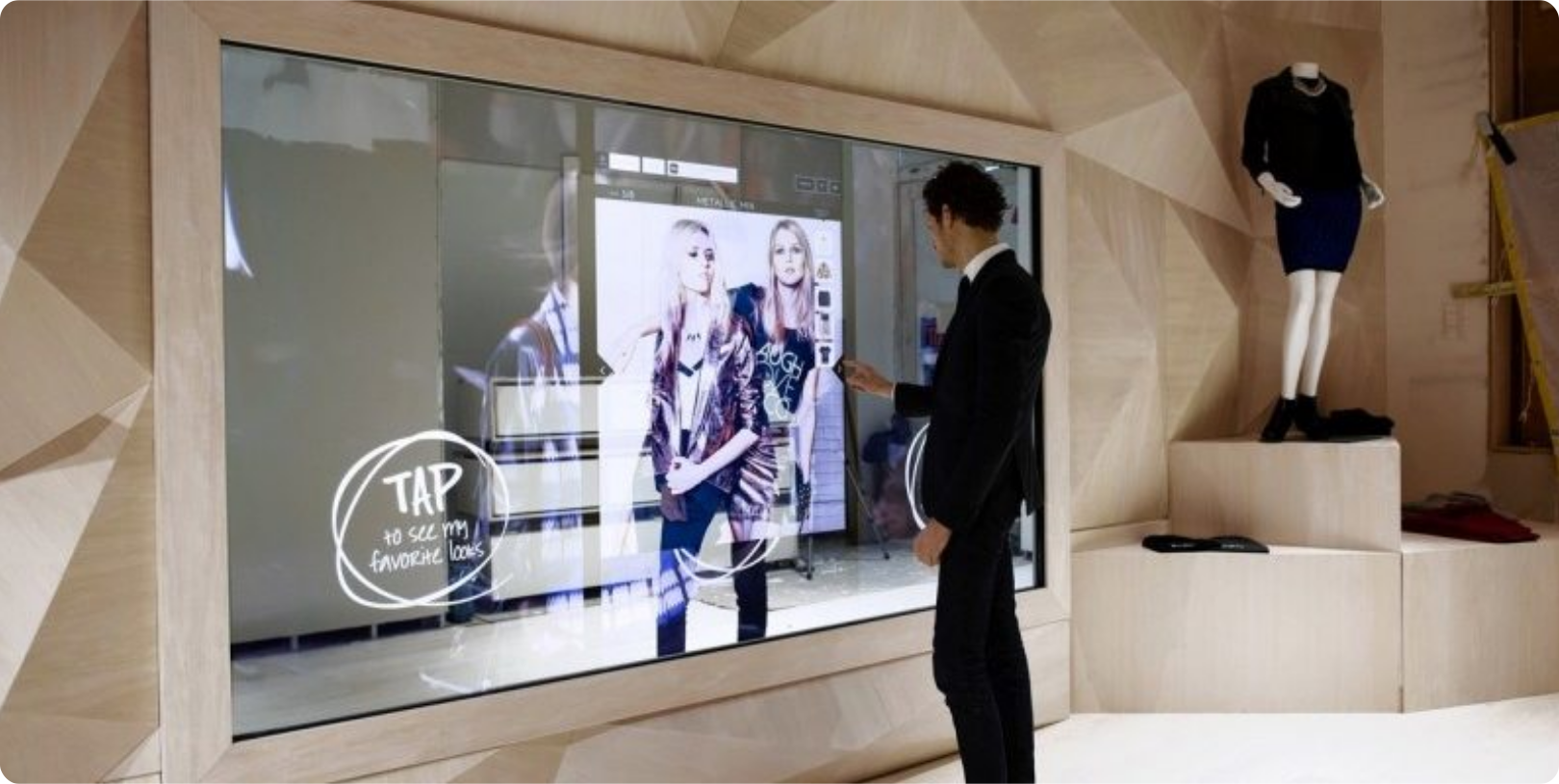
Today's signage integrates live data, touch interactivity, and AI to deliver the right content at the right moment.
What Is Driving the Change
- Cloud software that makes large networks easy to control from anywhere.
- Affordable, reliable hardware rated for 24/7 commercial use.
- Live data and integrations — weather, queues, inventory, and social feeds.
- AI tools that help create, schedule, and optimise content automatically.
The Takeaway
The trajectory is clear: signage is becoming smarter, more connected, and more automated. FutureIK builds for that future — hardware engineered in-house and the Asta platform with Pixel AI — so your investment stays relevant as the technology evolves.